
Health Benefits of Soy Milk
- Caregiver

- Aug 19, 2025
- 6 min read
Updated: Aug 20, 2025
Nutrients Beneficial for Middle-Aged and Older Adults
⚠️ Always consult a healthcare provider or dietitian for personalized advice, especially if you have kidney issues.
Soy protein
Soy protein does have a lower renal acid load compared to animal protein, which can be gentler on the kidneys, particularly for those with compromised kidney function. The isoflavones in soy, like genistein and daidzein, have anti-inflammatory properties that may help reduce inflammation in the glomerulus, potentially supporting kidney health.
Soy milk as a drink:
Soy milk is a convenient way to consume soy protein and isoflavones, and it’s a good choice for a kidney-friendly diet due to its lower acid load compared to animal-based milk. Unsweetened, fortified soy milk can also provide nutrients like calcium and vitamin D, which are important for overall health. However, check for additives like phosphorus or potassium in commercial soy milk, especially if you’re managing kidney disease, as these minerals can accumulate in some conditions.
Health Benefits
High Blood Pressure Prevention:
Soy peptides inhibit angiotensin, which contributes to blood pressure elevation.
Improved Gut Health:
Oligosaccharides act as food for beneficial gut bacteria, promoting their activity.
Menopause Symptom Relief:
Supports autonomic nervous system balance.
Result:
Enhanced immune function.
Anti-Inflammatory Effects (Particularly in the Kidneys)
soy isoflavones may help reduce inflammation in the glomerulus, potentially decreasing albuminuria (and thus proteinuria) in early kidney disease. Research, such as studies in Nutrients (2019), suggests that isoflavones’ anti-inflammatory and antioxidant effects could protect the kidneys and slow the progression of albuminuria in conditions like diabetic nephropathy.
Diagnosis and Significance
Albuminuria Measurement:
Assessed via urine albumin concentration or the albumin-to-creatinine ratio (ACR). For example:
• Normal: ACR < 30 mg/g
• Microalbuminuria: ACR 30–300 mg/g
• Macroalbuminuria: ACR > 300 mg/g
Albuminuria
Albuminuria is a sensitive marker for early kidney damage, especially in diabetes or hypertension, and is often monitored regularly in at-risk patients.
Proteinuria Measurement:
Detected through a urine test measuring total protein. Levels exceeding 150 mg/day are considered abnormal.
Lower Renal Acid Load
Supports kidney function, especially in individuals with reduced renal capacity, by reducing acid-induced stress on nephrons.
Cardiovascular Health
Since kidney disease often coexists with cardiovascular issues, isoflavones’ heart-protective effects indirectly support renal health by reducing vascular stress.
Antioxidant Properties
May protect against oxidative stress-related conditions like CKD, atherosclerosis, and aging-related diseases.
Hormonal and Bone Health
Supports bone health, which is crucial for CKD patients who often experience bone mineral disorders due to impaired kidney function.
Potential Anticancer Effects
Potential protective role against hormone-related cancers, though more research is needed.
Metabolic Health and Diabetes
Since diabetes is a leading cause of kidney disease, isoflavones may indirectly protect kidneys by improving glycemic control.
Nutrients in Soy Milk
Soy milk’s nutrient profile varies by brand and fortification, but a typical 1-cup (240 mL) serving of unsweetened soy milk provides:
Calories: ~80–100 kcal
Protein:
6–8 grams (comparable to cow’s milk, a complete protein with all essential amino acids)
Supports muscle repair.
Fat:
4–5 grams (mostly unsaturated, including omega-3s and omega-6s)
Carbohydrates:
3–4 grams (low in sugar if unsweetened)
Fiber:
0.5–2 grams
Calcium:
300–450 mg (if fortified, ~30–45% of Daily Value)
Vitamin D:
2–3 µg (if fortified, ~10–15% of DV)
Vitamin B12:
0.6–2.4 µg (if fortified, ~25–100% of DV)
Supports nerve function.
Types of Soy Milk
Riboflavin (B2):
~0.2–0.5 mg (15–30% of DV)
Prevent bone density loss, alleviate menopausal symptoms, reduce swelling, and promote healthy skin.
Phosphorus:
~100–250 mg (10–25% of DV)
Potassium:
~300 mg (6–8% of DV)
Isoflavones:
20–40 mg (phytoestrogens unique to soy)
Prevent bone density loss, alleviate menopausal symptoms, reduce swelling, and promote healthy skin.
Lecithin:
Naturally present in soybeans, soy milk contains small amounts of lecithin (a phospholipid), though exact quantities are rarely specified (estimated at trace to ~0.1–0.5 grams per cup). Some brands add soy lecithin as an emulsifier to improve texture and stability, which may increase content slightly. Lecithin supports cell membrane function and fat metabolism.
Improves cholesterol levels.
• Saponins:
Soy milk contains soy saponins, bioactive compounds with antioxidant and cholesterol-lowering properties. Levels vary (estimated at ~10–50 mg per cup), depending on processing, as some saponins may be lost during filtration or heating.
Reduce bad cholesterol, prevent oxidation, and lower the risk of arteriosclerosis and heart attack.
Other:
Small amounts of magnesium, iron, and vitamin A (if fortified)
Note: Fortified versions often match or exceed cow’s milk in calcium and vitamin D. Always check labels for added sugars or flavorings.
Benefits of Soy Milk
1. High-Quality Protein:
Supports muscle growth and repair, ideal for vegetarians/vegans.
2. Heart Health:
Unsaturated fats and isoflavones may lower LDL cholesterol and reduce heart disease risk (studies suggest 25g soy protein daily can lower cholesterol by ~3–5%).
3. Bone Health:
Fortified soy milk provides calcium and vitamin D, supporting bone density, especially for those avoiding dairy.
4. Lactose-Free:
Suitable for lactose-intolerant individuals or those with dairy allergies.
5. Menopause Symptom Relief:
Isoflavones may reduce hot flashes and other menopausal symptoms in some women (evidence mixed but promising).
6. Low in Saturated Fat:
Promotes cardiovascular health compared to full-fat dairy.
7. Versatile for Diets:
Fits plant-based, vegan, or low-cholesterol diets.
8. Antioxidant Properties:
Isoflavones may have anti-inflammatory and antioxidant effects, potentially reducing chronic disease risk.
• Unadjusted Soy Milk:
Made from soybeans and water only.
• Adjusted Soy Milk:
Contains soybeans, water, sugar, and oil, resulting in higher calorie content.
Soy Milk vs. Cow Milk
• Cow milk contains casein, so caution is needed when combining it with certain foods.
• Soy milk is nutrient-rich but should not be consumed excessively.
Beauty Benefits
• Soy Milk:
Opt for unadjusted soy milk to avoid added sugars and oils. Check for fortification ( calcium, B12) if replacing cow’s milk entirely. Pair with a balanced diet to avoid excessive isoflavone intake.
• Cow’s Milk:
Choose low-fat or skim milk to reduce saturated fat intake. If lactose-intolerant, consider lactose-free versions or pair with lactase supplements.
• Fortification:
Both can be fortified, so check labels for added nutrients like calcium, vitamin D, or B12 to meet specific needs.
In summary, soy milk and cow’s milk each offer unique benefits and challenges. Soy milk excels as a plant-based, lactose-free option with heart and menopausal benefits, while cow’s milk is superior for calcium and traditional culinary uses. Choose based on dietary restrictions, health goals, and taste preferences, and consume both in moderation to maximize benefits while minimizing risks.
Which to Choose?
• Choose Soy Milk If:
• You’re vegan, lactose-intolerant, or allergic to dairy.
• You’re managing cholesterol or seeking plant-based proteins.
• You want benefits like menopausal relief, gut health, or hair loss prevention.
• Choose Cow’s Milk If:
• You need high calcium and vitamin D intake for bone health.
• You’re not lactose-intolerant or allergic to dairy.
• You prefer its taste or need it for traditional recipes.
• Weight Loss:
Saponins prevent fat accumulation, soy protein supports muscle growth, and lecithin aids fat excretion, reducing overeating.
• Anti-Aging:
Saponins reduce oxidative stress.
• Improved Nutrient Absorption:
Lecithin helps remove fat from blood vessels, enhancing nutrient absorption.
• Hair Loss Prevention:
Isoflavones (converted to equol) and abundant protein (a building block for hair) help prevent hair loss.
• Anemia Prevention:
• Iron:
Essential for red blood cells, which transport oxygen.
• Folic Acid:
Supports red blood cell production.
Best Time to Drink Soy Milk
• Before Meals:
Stimulates satiety to prevent overeating.
• After Meals:
Enhances gut health.
• Before Bed:
Supports hair loss prevention.
• Caution:
Limit intake to avoid excess calories or hormonal imbalances.
Calorie and Nutrient Considerations
• 200 ml of Soy Milk: Approximately 86 kcal, contains 50 mg of magnesium.
• Overconsumption Risks:
• Excess magnesium may cause diarrhea.
• Limit intake to 290 ml daily to avoid hormonal imbalances or allergy-related issues (e.g., hay fever).
Recommended Daily Soy Milk Intake
• General Guideline:
• 200 ml for those who consume minimal soy-based foods (e.g., tofu, natto, soy sauce).
• 100 ml for those who regularly consume soy-based foods.
• Note: Be mindful of total isoflavone intake from all soy products to avoid overconsumption.
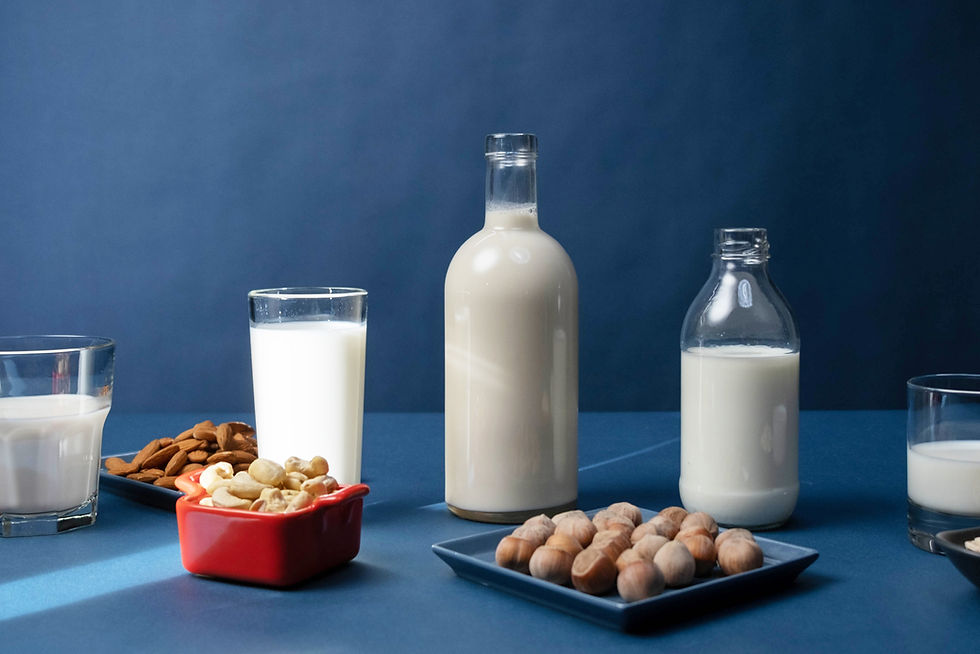
Key Considerations for Soy Intake
• Isoflavones: Soy contains isoflavones ( genistein, daidzein), which are phytoestrogens with health benefits ( anti-inflammatory, antioxidant effects) but can have adverse effects in excessive amounts, particularly for those with specific health conditions (e.g., thyroid issues or hormone-sensitive conditions).
• General Guidelines: Research suggests a safe and beneficial range of 25–100 mg of isoflavones per day for most adults, equivalent to 1–3 servings of soy foods. This varies by individual and dietary context.
Sources of Isoflavones: Common soy foods contribute varying amounts of isoflavones:
Soy yogurt: ~15–25 mg isoflavones per 100 g (varies by brand and fermentation).
Soy milk: ~10–20 mg per 100 ml (unfortified, unsweetened).
Tofu: ~20–30 mg per 100 g.
Natto: ~30–40 mg per 50 g serving.
Soy sauce: Minimal isoflavones (~1–2 mg per tablespoon) due to processing.
Moderation:
Overconsumption of soy (200 mg isoflavones/day) may lead to concerns like thyroid function changes or hormonal effects in sensitive individuals, though evidence is mixed and typically requires very high intakes.
Dosage and Safety
Typical Intake:
25-100 mg/day of isoflavones (equivalent to 1-2 servings of soy foods, e.g., 1 cup soy milk or 100 g natto) is considered safe and effective for most benefits.
Cautions:
High doses (>150 mg/day) may have diminishing returns or risks, particularly for those with hormone-sensitive conditions (e.g., certain breast cancers). Isoflavones are generally safe but may interact with medications or affect thyroid function in iodine-deficient individuals. Consult a healthcare provider if you have specific conditions like CKD or thyroid issues.


Comments